Commercial Waste Removal in Newham
Commercial waste removal in Newham needs a practical, organised approach, because business premises often produce mixed rubbish rather than one neat stream of material. Our service is set up to help with recurring and one-off clearances for offices, shops, workshops, hospitality premises and other workplaces that need unwanted items taken away without disrupting the day more than necessary. The focus is on sorted, lawful disposal and a sensible handover from site to collection, so the work stays straightforward for the customer.
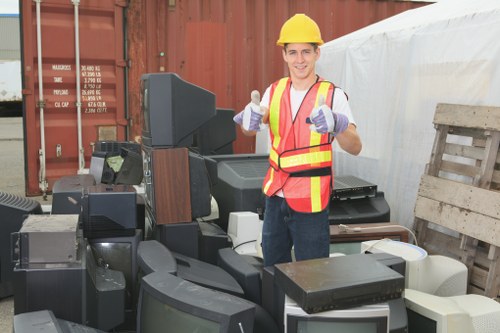
We handle a wide range of commercial waste types, including furniture, general office clutter, packaging, fixtures, appliances and other non-hazardous materials that businesses commonly replace or remove during changes of layout, refurbishments or routine housekeeping. Where items can be separated for recycling, that is normally the best way to reduce what goes to disposal. If you need to compare options first, see our pricing and quotes page for more detail on the information usually needed for a quotation.
For a clearer plan, it helps to think in terms of the material you want removed, the access available on site and whether the waste is from a single room, a whole premises or an ongoing maintenance cycle. Office moves, storage clear-outs and shop refits often create mixed loads, so a carefully described enquiry makes it easier to match the right collection method to the job. When you are ready to proceed, you can also request a quotation.
What commercial waste removal can cover
Commercial clearances are rarely limited to one item type. A workplace may need broken desks, old chairs, shelving, archive boxes, redundant stock or packaging removed together, and the service needs to be flexible enough to manage that mix without forcing everything into a single rigid category. Our approach is to assess the waste stream as a whole and separate what can be reused, recycled or disposed of responsibly. That keeps the service practical for businesses that want a simple, tidy outcome.
Some customers need a smaller, targeted collection for a back room, reception area or single office. Others need a larger clearance after a refit, relocation or change of tenancy. The important point is that the work is planned around the actual volume and type of material, not assumptions. If your enquiry includes business furniture, electronics or packaged stock, the quotation can reflect the likely handling needed for those items, especially where access or lifting is more involved.
Typical business materials we can remove
Common items include desks, meeting tables, office chairs, cabinets, shelving, printers, filing, shop fittings, bagged rubbish, cardboard and mixed non-hazardous commercial debris. Businesses also ask for appliance removal, old display units and redundant fixtures when they are upgrading premises. The key is that the waste should be described accurately, because different materials can require different handling. Clear descriptions help avoid delays and make it easier to decide whether recycling, reuse or disposal is the right route.
Offices, retail spaces and shared premises
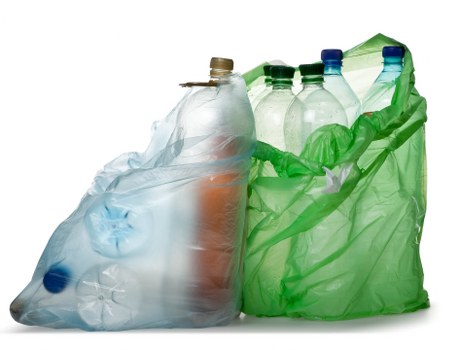
Office and retail waste removal often needs careful timing and tidy working, especially when staff, customers or building managers are still using part of the premises. Our service can be used for workstation changes, archive clearances, merchandising updates and general business decluttering. The aim is to remove unwanted material efficiently while keeping the site usable and the clearance controlled. Where a job contains a mixture of paper, furniture and packaging, the waste can be grouped so the right disposal route is used for each category.
Shared premises can add an extra layer of coordination because access routes, loading areas and permitted working times may be limited. In those situations, it is sensible to state whether waste is located upstairs, in a rear yard, in a basement or behind customer areas. That information supports a more accurate quote and helps with planning. If you want to understand how the service is priced, the pricing and quotes page is a useful next step.
Practical office and shop clearances usually work best when the main waste streams are grouped in advance. You do not need to prepare every item perfectly, but it helps to separate confidential papers, reusable office furniture and anything that is simply general rubbish. For specialist document handling, our confidential shredding service may be relevant if you need secure destruction alongside the clearance.
Furniture, fixtures and bulky item disposal
Businesses regularly replace furniture and display pieces long before the rest of the premises changes, so bulky item disposal is often a major part of commercial waste removal. We can help with items such as cabinets, shelving, waiting-room seating, desks, tables and other large objects that are awkward to move or too bulky for ordinary bins. The focus is on safe handling and appropriate disposal rather than simply shifting items from one place to another.
Where items are still in usable condition, some customers choose to separate them from damaged waste so the load can be managed more efficiently. For example, a shop refit may produce a mix of reusable display furniture, worn-out stock-room fittings and broken material from the strip-out. If you are dealing mainly with furnishings, our furniture disposal and furniture clearance pages explain related options that may suit a lighter or more focused job.
When access is tight, the most important details are the size and quantity of the bulky items, not a long list of assumptions. Staircases, narrow corridors and limited parking can all affect how the removal is carried out, so it is sensible to mention those points early. A short description is often enough to establish whether the work is likely to be straightforward or whether extra planning is needed.
Clearance for premises changes and fit-outs

Premises changes generate waste in a different way from everyday housekeeping. A move, refurbishment or fit-out can leave behind partition material, old fixtures, redundant desks, packaging and assorted debris that needs to be collected in stages. Commercial waste removal for these situations is most useful when it can keep pace with the project rather than forcing everything into a single end-of-job collection. That way, the site stays clearer and the final handover is simpler.
Some jobs are best treated as a sequence of clearances. For example, the first visit might remove outdated furniture and loose rubbish, while a later visit deals with strip-out debris or final packaging after installation work. This approach is common when different contractors are involved because it allows the waste to be removed as areas become available. If the waste includes construction-related material, our builders waste clearance page may be useful for more specific details.
For customers arranging a refit or relocation, two simple points often make quotation easier: what type of waste is present and when it can be accessed. Neither point needs a long explanation, but both help define the job clearly. Well-timed collections are often the difference between a smooth clearance and repeated site disruption, especially where business operations continue during the works.
Recycling, reuse and responsible disposal
Responsible commercial waste removal is not just about collecting material; it is also about deciding what should happen next. Many business items contain recyclable elements, while some can be routed differently depending on condition and material type. Our service is intended to support sensible segregation where it is practical to do so, so the disposal route reflects the waste rather than treating every load the same. This is particularly important where an item mix includes cardboard, metals, furniture and general refuse.
Businesses often appreciate clear decisions on what stays separate. Cardboard, office paper and some plastics may be more suitable for recycling than mixed rubbish, while damaged furniture or contaminated materials may need another route. The aim is to handle the load in a way that is both manageable on site and appropriate after collection. For customers who want to understand our wider approach, the recycling and sustainability page gives related information.
Not every item is suitable for the same disposal route, and that is why accurate descriptions matter. A simple note about whether the waste is clean, mixed, broken or bulky can make a useful difference when the job is planned. If you are unsure how to classify something, it is better to describe it plainly than to guess, because clarity is usually more helpful than technical language.
Planning access, timing and quotation details
Most commercial waste removal enquiries become easier when the practical details are gathered together in one place. The key points are the site type, the waste type, the likely volume and any access restrictions. That could mean a loading bay, lift use, stair access, an upper floor, a shared yard or a building with limited stopping space. These details are not bureaucratic extras; they are the information that shapes the work.
If possible, it also helps to mention whether the material is loose, bagged, boxed or assembled as larger items. A mixed office clearance is very different from a neat stack of dismantled shelving, and the collection method may differ accordingly. For a straightforward enquiry, send a concise description and ask for a quotation. If you prefer to look through the available service options first, you can visit the book online page, then decide how you would like to proceed.
- Type of premises and the room or area involved
- Main waste categories, such as furniture, packaging or office items
- Any access points, stairways or loading restrictions
- Approximate amount of waste and whether items are loose or stacked
That level of detail usually keeps the conversation focused and avoids unnecessary back-and-forth. It also helps to know whether the job is urgent in a business sense or whether it can be fitted around normal operating hours. A sensible brief gives the quotation a better foundation and helps the collection fit the premises properly.
Specialist items and higher-care waste streams
Some commercial waste needs more care than ordinary office or shop rubbish. Appliances, confidential records, and potentially hazardous materials all call for the right route and a clear description before collection. Our service can support general commercial waste removal alongside more specific categories where the item type is understood in advance. That is important because not every workplace clearance is made up of the same straightforward material.
For example, if a business is replacing cold storage or other equipment, appliance removal may be part of the clearance. If confidential documents are involved, they should be identified separately so they can be dealt with appropriately. Where hazardous items are present, they should not be mixed into an ordinary waste pile without checking the correct process first. For related specialist information, see fridge and appliance removal and hazardous waste disposal.
Businesses sometimes combine several specialist needs into one project, such as a stockroom clear-out with appliance removal and routine rubbish collection. That can be convenient, but it still works best when each waste stream is described clearly. A careful description does not make the job more complicated; it simply makes the service more accurate and the quotation more realistic.
About Newham
Newham is an East London borough with a landscape shaped by dockside history, railway expansion, post-war redevelopment and large-scale regeneration. Its name reflects the joining of two historic Essex parishes, East Ham and West Ham, when the borough was created in 1965. The area now includes a varied collection of neighbourhoods and landmarks, from the former Royal Docks to the river edge and the centres around Stratford, East Ham and Plaistow. That mix of older streets, modern housing, business districts and transport infrastructure gives Newham a notably layered urban character. Stratford has become especially well known in recent decades because of the major changes linked to the Olympic Park and surrounding redevelopment, while the Royal Docks continue to form one of London’s most recognisable waterside landscapes.